How to set your dog up for success when training agility
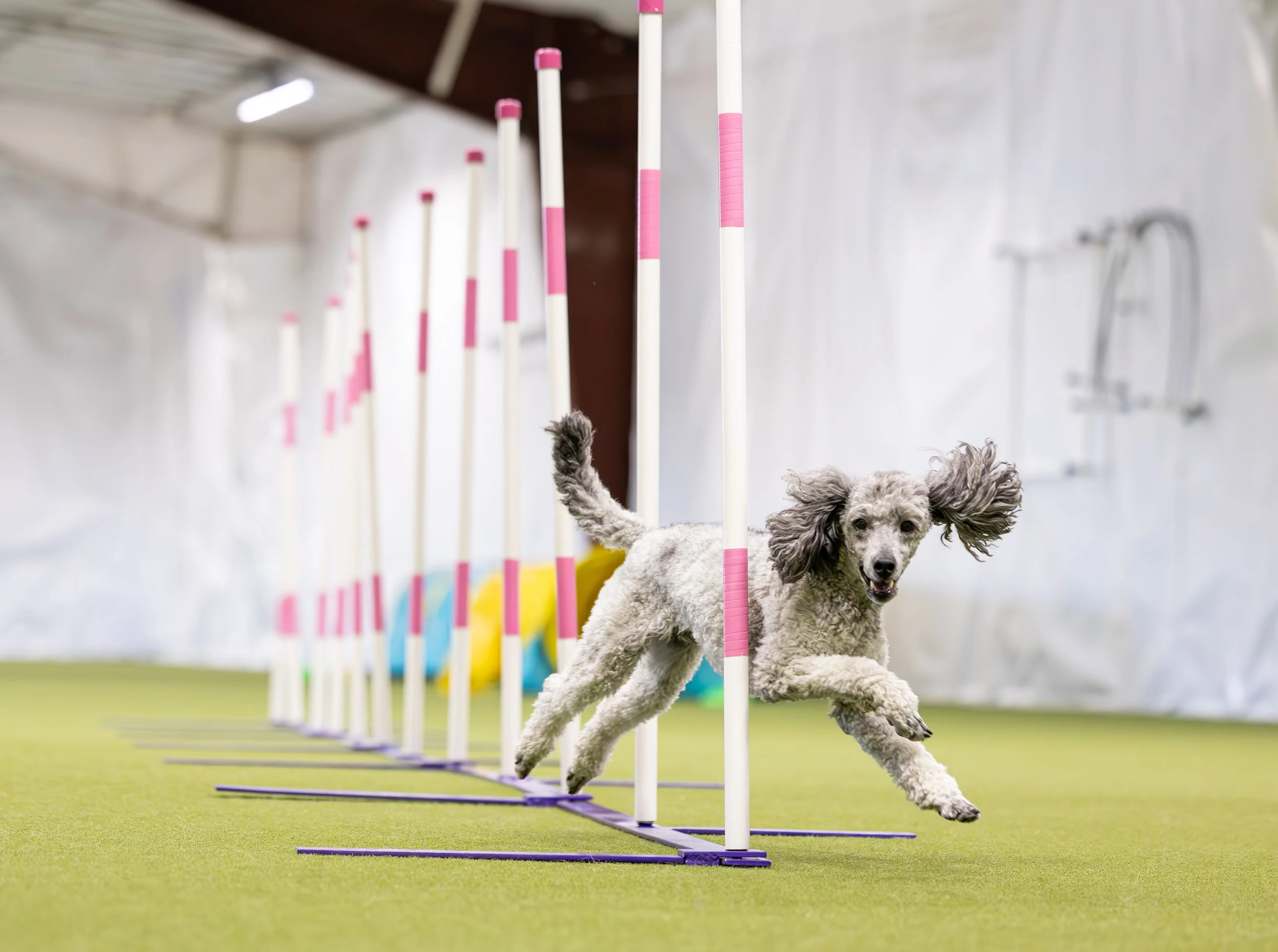
Depending on your dog, it may make sense to only work on small sequences at a time, or do something entirely different than what was set. Practicing on your own is all about developing an understanding of what you and your dog need to be better, and how you can create the scenarios to achieve that.
The idea is to break down the challenge to a level that your dog is ready for, rather than just trying again and again on something they may not be getting.
It’s also super important to reward your dog immediately after they do the hard bit! Sometimes as agility handlers we want to keep going, but rewarding your dog immediately is essential to learning (i.e., markers & mechanisms of rewards - key concepts in our basic manners classes). Here are a few options, in no particular order:
1. Backchain the specific hard part. Meaning, rather than trying to do the hard part in sequence, set your dog up so that the hard bit is the first line they take, or the first criteria they perform - and reward them immediately if they get it!!
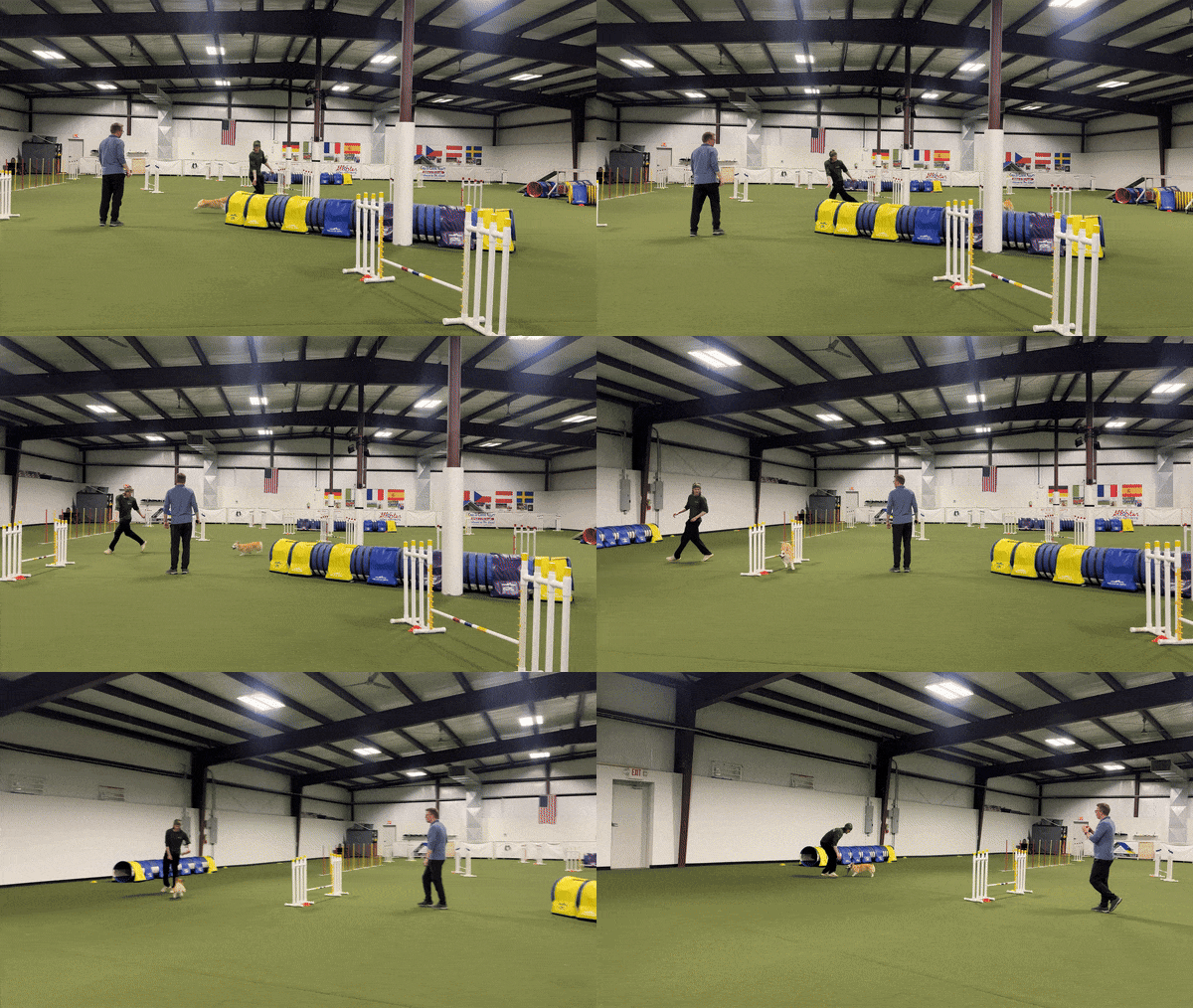
This threadle slice was hard for us with speed in sequence, so Peter worked on that specific skill (plus light use of barrier, see #4)
2. Place a toy to help guide your dog to the correct path. This requires that your dog has an understanding of delayed rewards - a central component to our sports prep classes.
3. Remove equipment / wings to help your dog take the right path. If your dog is having trouble avoiding an off course jump, you can remove it entirely. If your dog is having trouble wrapping a jump in the right direction, you can remove the wing that they are not supposed to wrap, or lower the bar on wing that you do want them to wrap (so that they don’t have to jump as high on the easier path). Remember to reward your dog after they get it because they are such a good dog for working through this challenge with you!
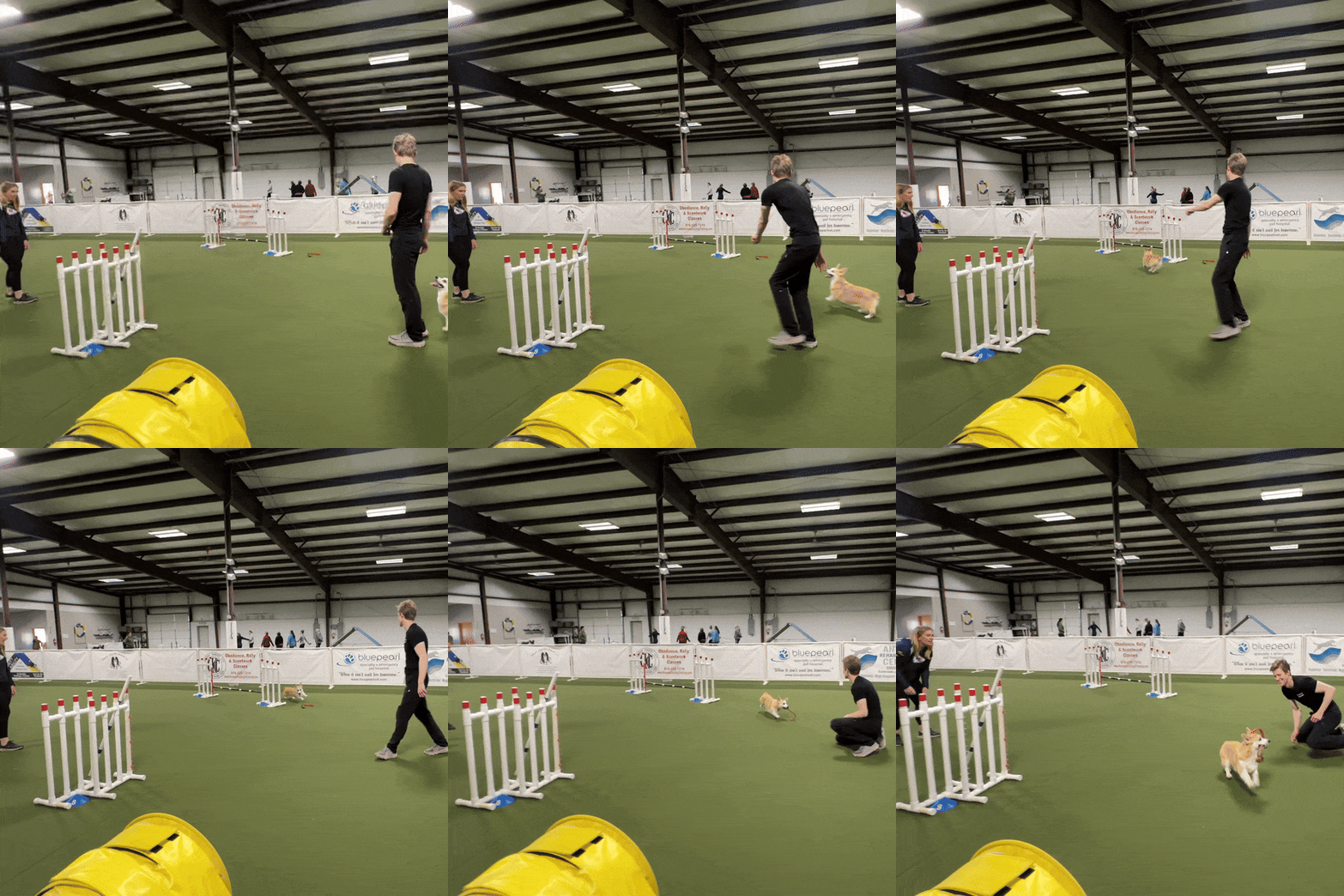
Here Peter removed both the jump on the left, and placed a toy after the jump to work on this wrap. Another step could have been to remove the left wing, so it was clear this was a wrap and not a slice.
4. Use visual barriers to help direct your dog - whether to help them turn tighter, avoid an off course obstacle, etc. The visual barrier can be something like a friend, or the black fencing we store somewhere along the side of the ring. Reward your dog immediately after they get it!
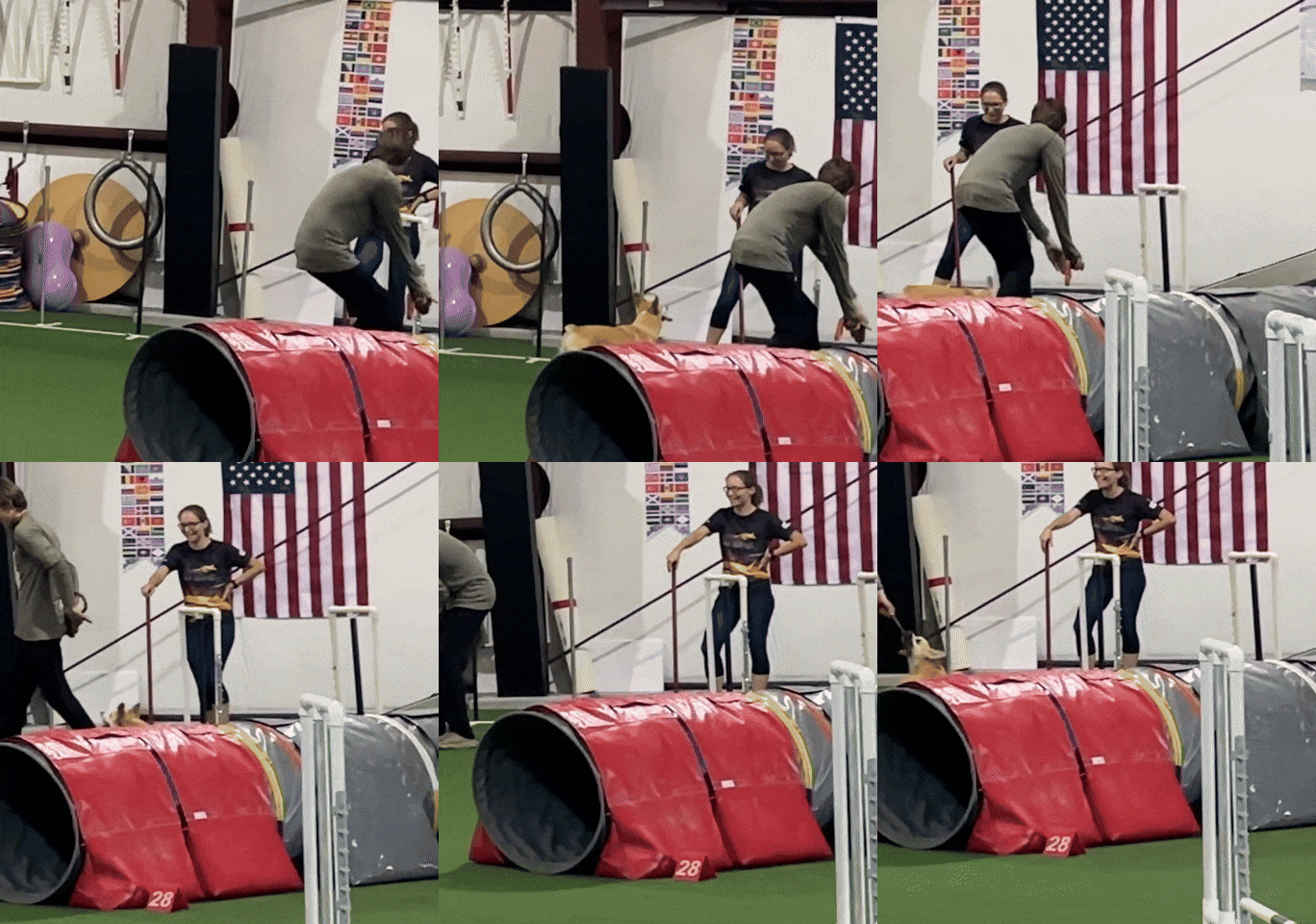
Make challenges easier by having someone block the wrong option!
5. Change the angle - either of the line of your dog’s approach, or of the obstacle itself, and reward your dog for doing that amazing thing!
6. If none of that works, maybe first take a break, but then take that as a sign to take a bigger step back and practice single-obstacle independence such as single jump backsides, threadles, wraps, contact criteria, etc. (key components of our foundations and skills classes). As always, make that single obstacle practice fun and rewarding!
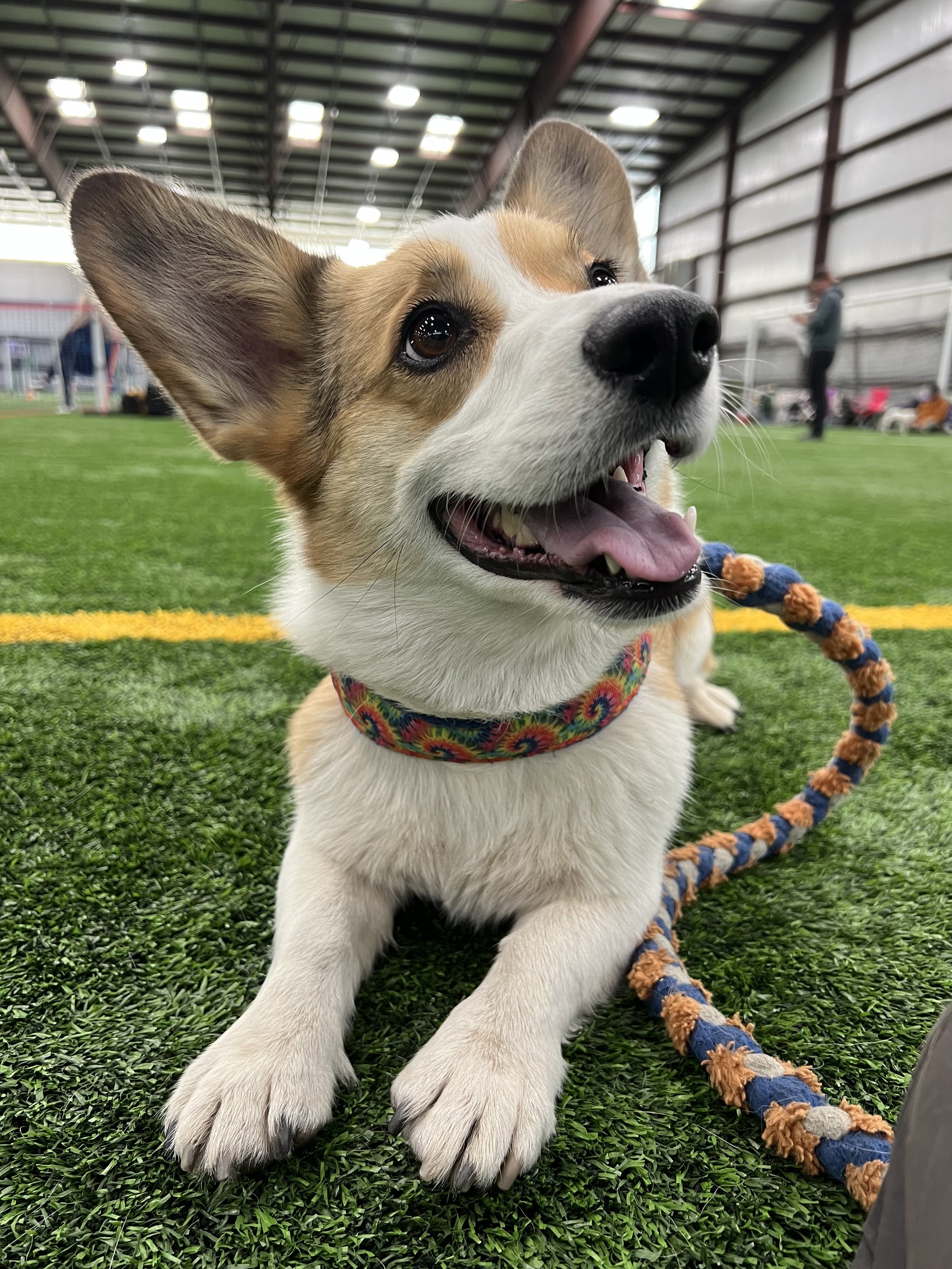
Those are just a few ways to make the challenge easier, but depending on the sequence there may be other options. Try to see things from your dog’s perspective, and learn to identify what questions your dog has. Doing that will help you create the situations and identify the answers that will help you and your dog get better! And don’t forget to reward your dog😉